Mesophotic sea corals
Overview
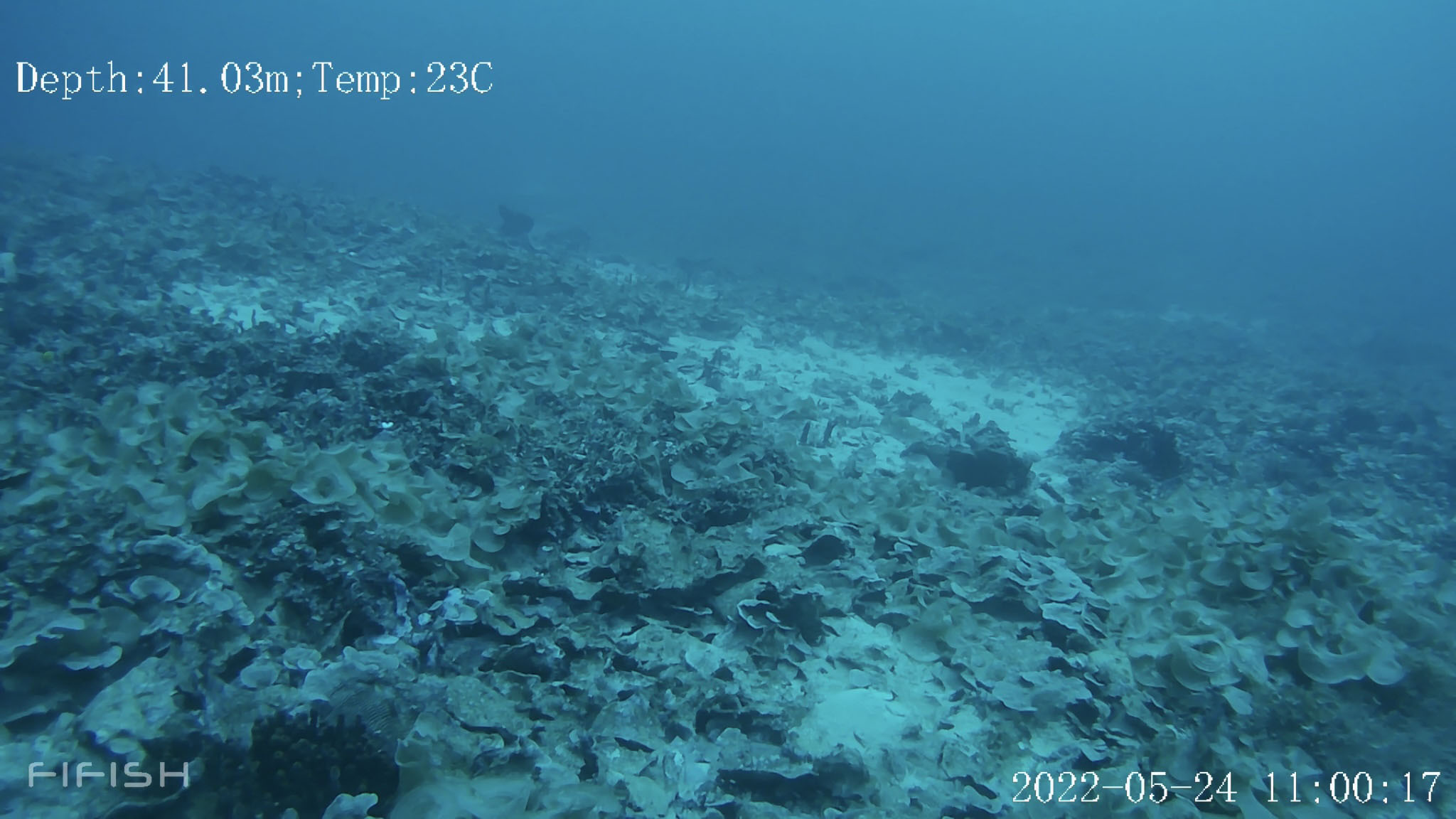
Many coral species live in symbioses with photosynthetic dinoflagellates known as zooxanthellae (zooxanthellate corals; see the relevant section of this website). Because zooxanthellae require sunlight for photosynthesis, zooxanthellate corals naturally thrive in shallow waters where sunlight penetrates, typically at depths ≤ 20 meters. In contrast, coral reefs often extend much deeper, reaching depths of 30, 40, or even 60 meters and beyond. As depth increases, the amount of available light decreases. Coral reefs occurring at depths of approximately 30–150 meters are known as mesophotic coral reefs (MCRs), meaning coral reefs that receive moderate levels of light. Since there is no widely accepted Japanese term corresponding to MCR, we refer to them as "mesophotic coral reefs" or "semi-deep coral reefs" in Japanese. Mesophotic coral reefs are investigated using specialized diving equipment or underwater robots, such as remotely operated vehicles (ROVs). The ecological importance of mesophotic coral reefs has been increasingly recognized. For example, some researchers have suggested that they may serve as refuges and sources of larvae that can replenish shallow coral reefs damaged by bleaching and other disturbances. However, compared with shallow coral reefs, mesophotic coral reefs remain poorly understood.
As described in the section "What Is Environmental DNA?", the zooxanthellate scleractinian coral environmental DNA metabarcoding system (Scl-eDNA-M-JPN) that we developed is highly effective for detecting and identifying corals inhabiting shallow reefs. However, its detection sensitivity decreases as reef depth increases beyond 20–30 meters. To achieve a comprehensive understanding of coral reef ecosystems, it is necessary to investigate the continuous reef environment extending from shallow waters to mesophotic depths. Around the time we were addressing this challenge, NTT DOCOMO was developing an underwater drone equipped with a water-sampling device, providing an opportunity for a collaborative research project between DOCOMO and OIST on mesophotic coral reefs. The goal was to develop and establish a new research approach that combines advantages of underwater robotic exploration and eDNA analysis. In this atlas, we present and discuss results of eDNA surveys conducted in mesophotic habitats around the Kerama Islands, offshore Motobu on Okinawa Island, the coastal waters of Onna Village, and offshore Henza.
Related Publication
- Loya Y, Puglise KA, Bridge TCL (2019) (eds.) Mesophotic Coral Ecosystems. Springer Nature, Switzerland. [LINK]
Total Number of Sites in This Survey: 57
|
Kerama mesophotic
Total Sites: 24
Latitude: 26.20479667
Longitude: 127.2712908
|
|
|
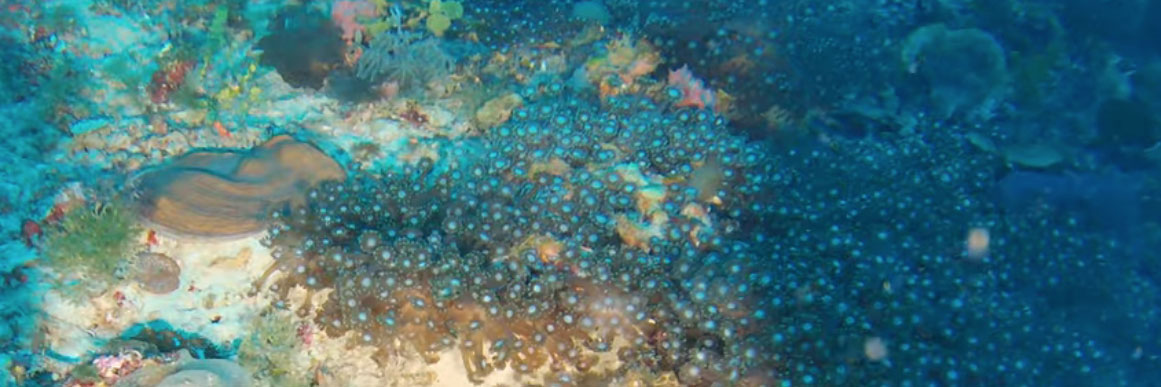
Sesoko Island
Total Sites: 4
Latitude: 26.67331455
Longitude: 127.8631025
|
|
|
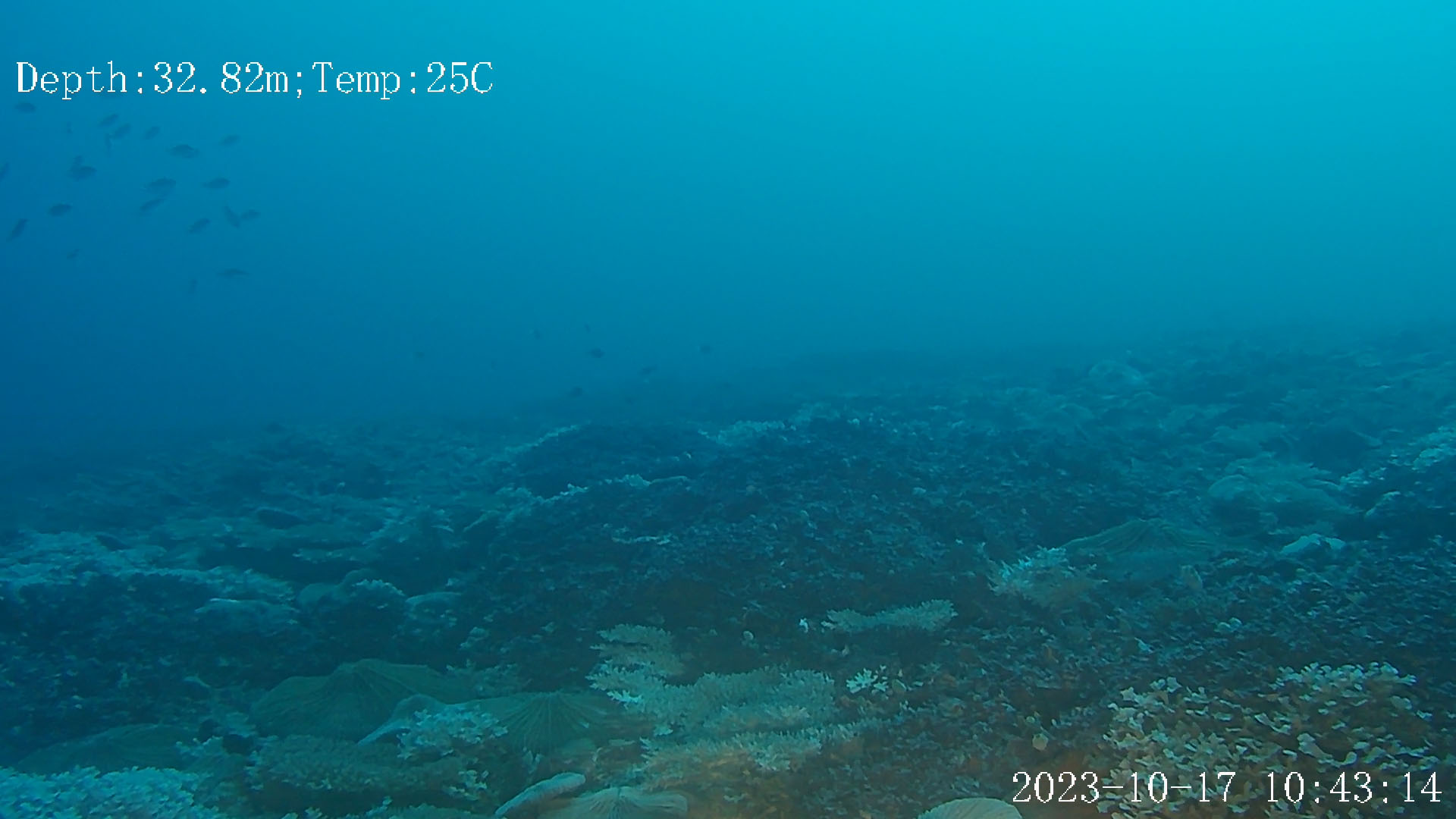
Onna mesophotic
Total Sites: 17
Latitude: 26.4886643
Longitude: 127.8299436
|
|
|
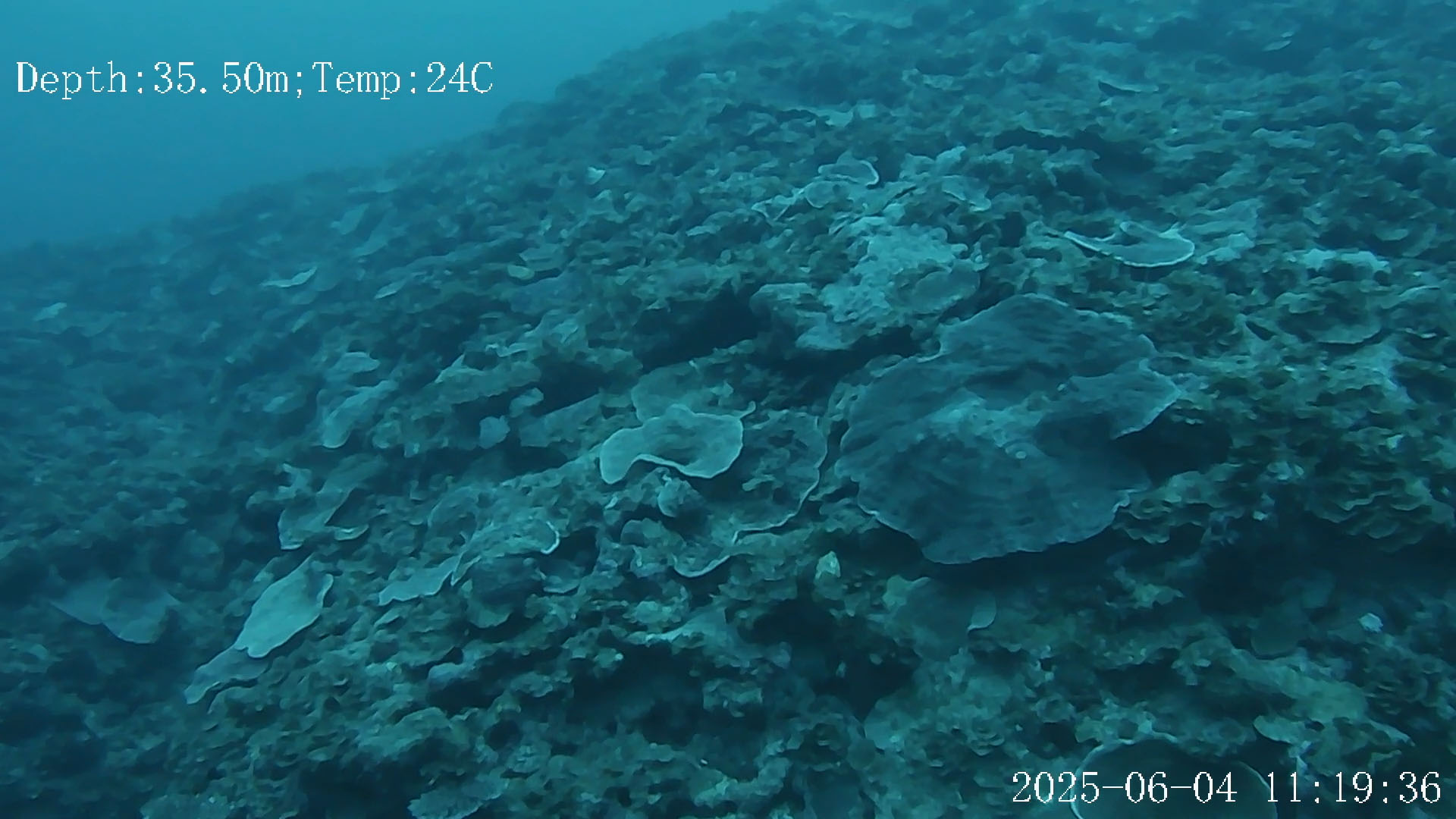
East Coast of Okinawa Island
Total Sites: 12
Latitude: 26.26631934
Longitude: 127.9741453
|