Ryukyu Archipelago Coral eDNA Atlas
 Analyzed
 Sampled
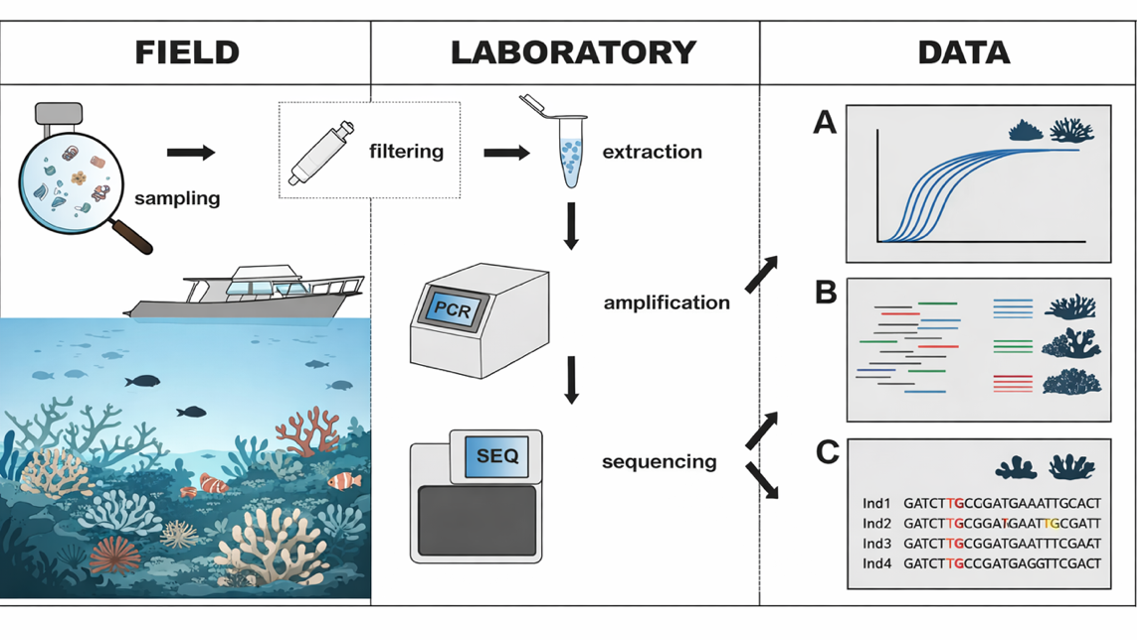
Coral research has traditionally relied on direct visual observations by coral researchers using scuba diving and related survey methods, providing extensive knowledge of coral taxonomy, ecology, and biology. However, because underwater surveys have several inherent limitations, we developed a complementary environmental DNA metabarcoding (eDNA-M) method that enables broader coral surveys with higher taxonomic resolution. Using this method, we are beginning to document the distribution and composition of zooxanthellate scleractinian corals across many coral reefs of the Ryukyu Islands.
We believe that these data should be available for anyone to explore and use. In light of the current need for coral reef research and conservation, this atlas makes our coral eDNA data publicly accessible.
Environmental DNA datasets have already been obtained from 12 islands of the Ryukyu Archipelago, including Okinawa Island, and data collection for the remaining islands is scheduled to be completed in 2026. As the first release, we are pleased to present data from Okinawa Island to Ishigaki Island. We invite you to explore data available for each survey site.
 Corals (Class Anthozoa) belong to the phylum Cnidaria, together with jellyfish (Class Scyphozoa), hydras (Class Hydrozoa), and sea anemones (Class Anthozoa). All cnidarians are characterized by possessing specialized stinging structures called cnidae, which are used to capture prey. Among these animals, corals possess several additional extraordinary abilities. For this reason, we refer to corals as the “super animals” of the sea. Why are corals considered “super animals”?
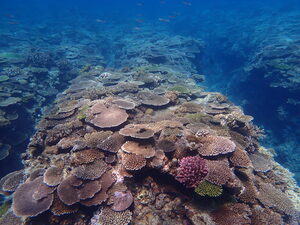
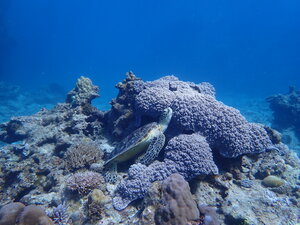
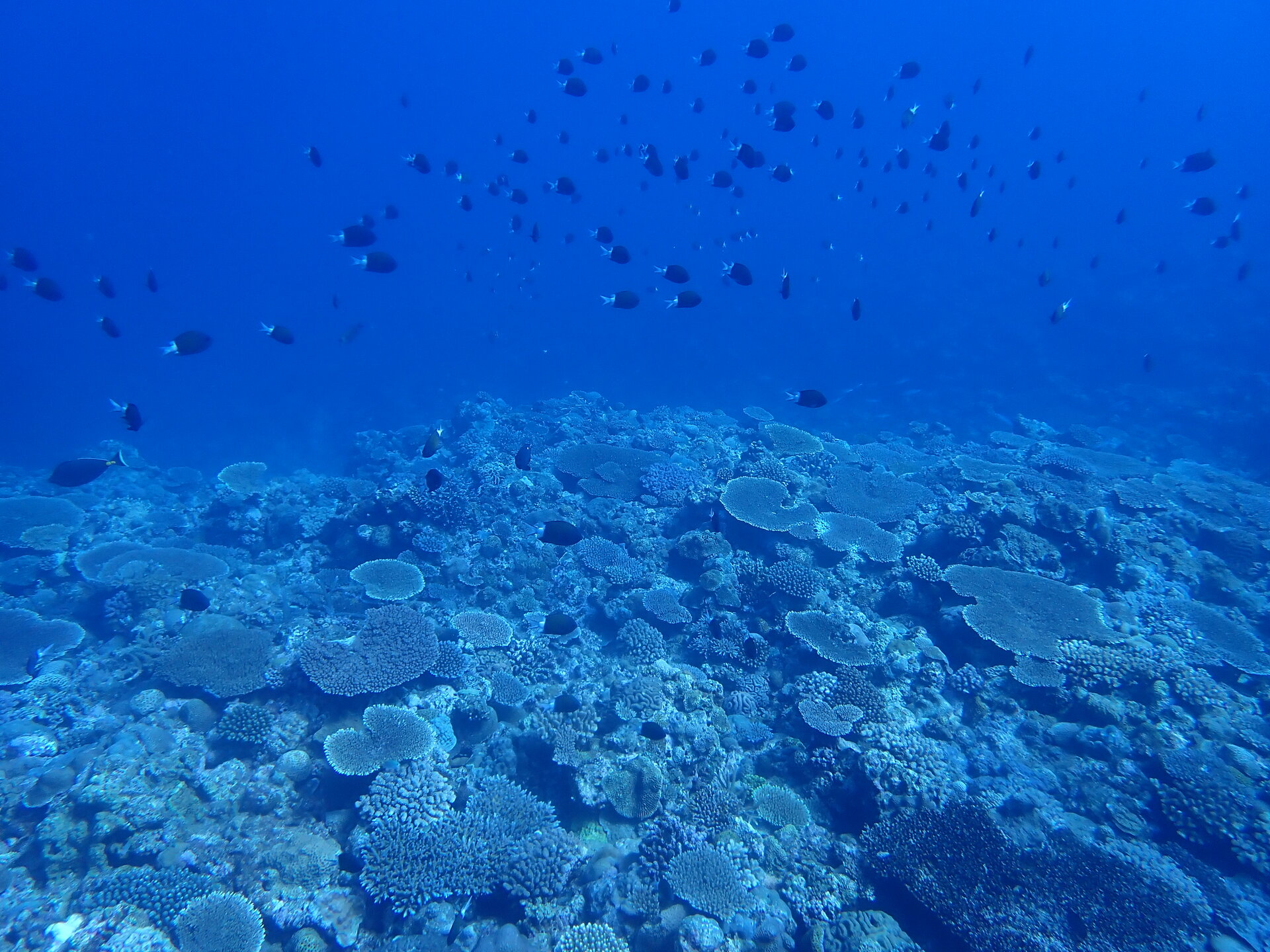
Corals are capable of building rocky structures known as coral reefs (described below). Coral reefs are widely distributed throughout tropical and subtropical regions, from places such as the Red Sea to the Ryukyu Islands. Although coral reefs occupy only about 0.2% of the world's oceans, they provide habitat for approximately 30% of all marine species, making them one of the richest reservoirs of biodiversity on Earth. Coral reefs are also deeply connected to local communities through fisheries, tourism, and culture. In Okinawa alone, they are estimated to generate approximately 250 billion yen annually in economic benefits (FY2023).
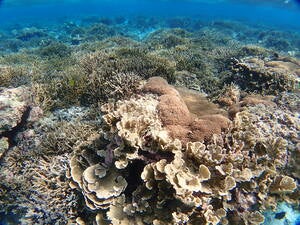 There are many kinds of corals, but most belong to the order Scleractinia, commonly known as stony corals. Many stony corals harbor photosynthetic symbiotic algae called zooxanthellae (dinoflagellates) within their tissues. These corals are known as zooxanthellate scleractinian corals. Corals provide a stable habitat for their symbiotic algae, while benefiting from the nutrients produced through photosynthesis. Because photosynthesis requires sunlight, most corals live and reproduce in shallow waters.
The symbiotic relationship between corals and zooxanthellae is ancient and inseparable. When corals experience stress caused by elevated temperatures or intense ultraviolet radiation, the zooxanthellae leave or are expelled from the coral. As a result, corals lose the brown coloration derived from the algae and appear white. This phenomenon is known as coral bleaching. If the bleaching period is short and the zooxanthellae return, the coral can recover. However, if bleaching persists and the algae do not return, the coral may eventually die.
 Corals can also produce skeletons made of calcium carbonate (CaCO3). Furthermore, they can reproduce asexually, meaning that parts of their bodies (for example, the branches of branching corals) can continue to grow and form new colonies without fertilization or larval development. As a result, corals can form large colonies exceeding 2–3 meters in size. Using these abilities, corals build coral reefs. Corals that construct reef structures in this way are known as reef-building corals.
This remarkable ability to create coral reefs is the reason why corals are considered “super animals.”
Coral reefs can grow on an enormous scale. For example, Australia's Great Barrier Reef is so large that it can be recognized from space. In Japan, Miyako Island itself was formed through the uplift of ancient coral reefs. (Can you think of any other animal capable of creating an island?) Southern Okinawa Island, including areas such as Naha and Okinawa City, is also characterized by geological formations in which sediments carried from the continent have accumulated on top of coral reef foundations. In other words, many people living in Okinawa today live on land that was originally created by corals.
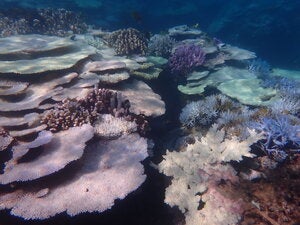 In recent decades, however, coral reefs have been increasingly threatened by environmental degradation, particularly rising seawater temperatures in shallow coastal areas, predation caused by outbreaks of crown-of-thorns starfish, and runoff of red soil and sediments. As a result, coral reefs are gradually disappearing, and concerns about their eventual loss have been raised worldwide. If global warming continues at its current pace, it has been suggested that as much as one-third of the world's coral reefs could disappear within the next 10 to 20 years. This represents not only a crisis for marine biodiversity but also a major challenge for maintaining a healthy global environment. Consequently, efforts to document existing coral reefs, conserve those that are declining, and restore damaged reef ecosystems are accelerating in many countries surrounded by coral reefs.
Coral research has traditionally relied on direct visual observations conducted by coral researchers through scuba diving and snorkeling. These studies have provided a wealth of knowledge about coral taxonomy, ecology, and many other aspects of coral biology. However, studying corals is far from straightforward. First, coral taxonomy itself is challenging. Approximately 83 genera and 400 species of corals are known from Japan. Coral morphology is highly complex, and classification is primarily based on skeletal characteristics. Because coral shapes can vary considerably, accurately identifying living corals on a reef while diving is often extremely difficult.
There are also several limitations associated with underwater surveys themselves. Depending on the skill and experience of the diver, a typical scuba dive lasts only about 30 minutes to one hour. Survey depths are generally limited to around 20 meters, and the deeper the survey site, the shorter the available observation time. Although this varies among locations, a diver may visually identify only about 20 of the 83 coral genera during a single survey.
To complement conventional visual surveys, researchers at the OIST Marine Genomics Unit, in collaboration with researchers from the University of Tokyo, have developed and established a coral environmental DNA metabarcoding method (Scl-eDNA-M-JPN). This approach provides a broader and taxonomically more accurate method for assessing coral communities. By analyzing coral environmental DNA present in surface seawater collected from coral reefs, this innovative technique enables the simultaneous detection and identification of all 83 coral genera known from Okinawa (see below for details).
Using this method, the distribution and community composition of zooxanthellate scleractinian corals on many coral reefs throughout the Okinawa Islands are gradually being revealed. Ideally, data of this kind should be made publicly available so that anyone can freely access and use them. In light of the current state of coral reef research, this atlas provides open access to coral environmental DNA data. Environmental DNA data have already been collected from 12 islands of the Ryukyu Archipelago, including Okinawa Island. As our first public release, we are pleased to present the Coral Reef Environmental DNA Atlas covering these 12 islands. This website provides project data obtained through both coral reef ecological surveys and environmental DNA surveys. In addition, where available, underwater photographs taken during visual monitoring surveys by the Okinawa Environmental Science Center are also included. Please follow the links to explore each dataset.